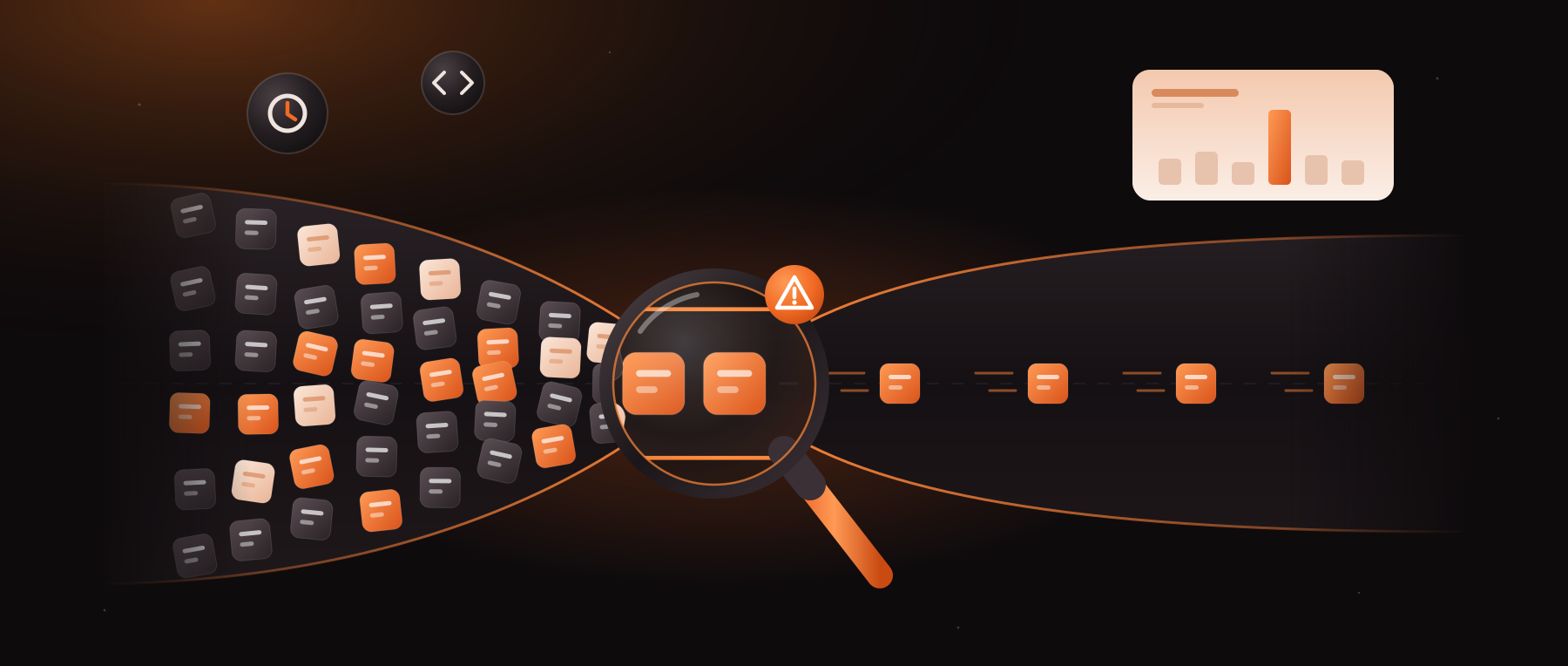
Your dev team may be working hard, shipping regularly, and still falling behind. That is one of the most frustrating moments for a growing software company. More roadmap pressure is coming in, more customer expectations are piling up, and your internal team is trying to keep delivery moving without losing quality. But here is the real question: is the problem that you need more developers, or is the problem that your current team is stuck behind the wrong bottleneck?
In 2026, that distinction matters more than ever. Engineering teams are being asked to balance product growth, AI integration, infrastructure work, security demands, and faster release expectations at the same time. If you scale headcount before you understand the real delivery constraint, you can end up adding cost without improving speed. Let’s walk through how to spot bottlenecks before scaling your dev team so you can make the right call.
Why In-House Full-Stack Teams Struggle to Scale
In-house full-stack teams are often ideal for early-stage product growth. They can move quickly, collaborate closely, and cover a broad range of development work. The challenge starts when growth introduces more parallel priorities than the team can absorb.
We often see software companies hit the same four pressure points.
1. Too much work sits with the same people Your most capable engineers end up covering frontend delivery, backend systems, integrations, bug fixing, infrastructure support, and feature releases at the same time. That creates bandwidth pressure long before it shows up as a hiring problem.
2. Specialist work begins to block delivery Security, AI integration, DevOps, cloud architecture, performance optimization, and data engineering all require deeper expertise. When those needs land on a generalist-heavy team, roadmaps start slipping.
3. Hiring speed falls behind business demand Most growth-stage companies know when they need more engineering help. The issue is that local hiring often takes too long. Open roles stay open while product deadlines continue to move.
4. Coordination overhead keeps rising As engineering teams grow, senior leaders spend more time on handoffs, reviews, approvals, hiring, and cross-team dependencies. That coordination load becomes a delivery bottleneck in its own right.
The Warning Signs Your Team Has Hit a Bottleneck
When we speak with product and engineering leaders, the first thing we look for is not a major failure. It is the early signals that the current model is under strain.
Common warning signs include:
- Release cycles are getting longer even though the business is growing
- Core engineers are overloaded with both delivery and support work
- Specialist roles are staying open for too long
- Senior engineers are spending too much time interviewing instead of building
- Important work in AI, infrastructure, security, or integrations keeps slipping New product lines are delayed because the core team is already at capacity
These are usually not isolated hiring issues. They are signs that the team structure itself is no longer scaling cleanly.
Why Hiring Locally Is Not Always the Fastest Fix
For many businesses, the first response to slower delivery is to hire more local developers. That can work, but it is not always the fastest or most efficient answer.
Local hiring tends to create three common constraints.
- Specialist talent is harder to find quickly
- Costs rise before new capacity becomes available
- Time-to-hire often moves too slowly for roadmap pressure
We have seen companies spend months trying to hire the perfect local engineer while critical roadmap work continues to stall. In that situation, waiting becomes the bigger risk.
When Remote Full-Stack Developers Make Sense
Remote hiring works best when the goal is not simply to add headcount. It works when you need to remove a specific bottleneck that is slowing product delivery.
A remote model is often the right fit when you need to:
expand delivery capacity without pausing roadmap work add specialist skills that are difficult to hire locally support a launch without overloading the core engineering team improve day-to-day collaboration with Time Zone Aligned Hiring scale more flexibly than a fixed in-house hiring plan allows
The right approach should help you move faster without reducing quality or control.
What to Look for in a Remote Hiring Partner
Not every remote hiring model solves the same problem. If you are evaluating options, focus on practical decision criteria rather than surface-level promises.
Vetting quality matters first. Strong remote delivery starts with a clear assessment process, including Technical Assessments, structured interviews, and real proof of capability.
Speed with discipline matters next. Fast hiring only helps when the process remains rigorous. Quick sourcing without strong evaluation creates more delivery risk, not less.
Transparent Pricing also matters. If costs are unclear at the start, planning becomes harder later. No Hidden Costs should be the baseline. Flexibility is another key factor. 100% Flexible Contracts and No Minimum Length Of Contract give growing companies room to scale with less risk.
Operational support often makes the difference between a successful hire and a difficult one. Onboarding, payroll, admin support, and Continuous Support all affect long-term delivery. Integration is the final test. Remote developers should work as part of your delivery team, not outside it.
How IT Staff Augmentation Helps You Scale Faster
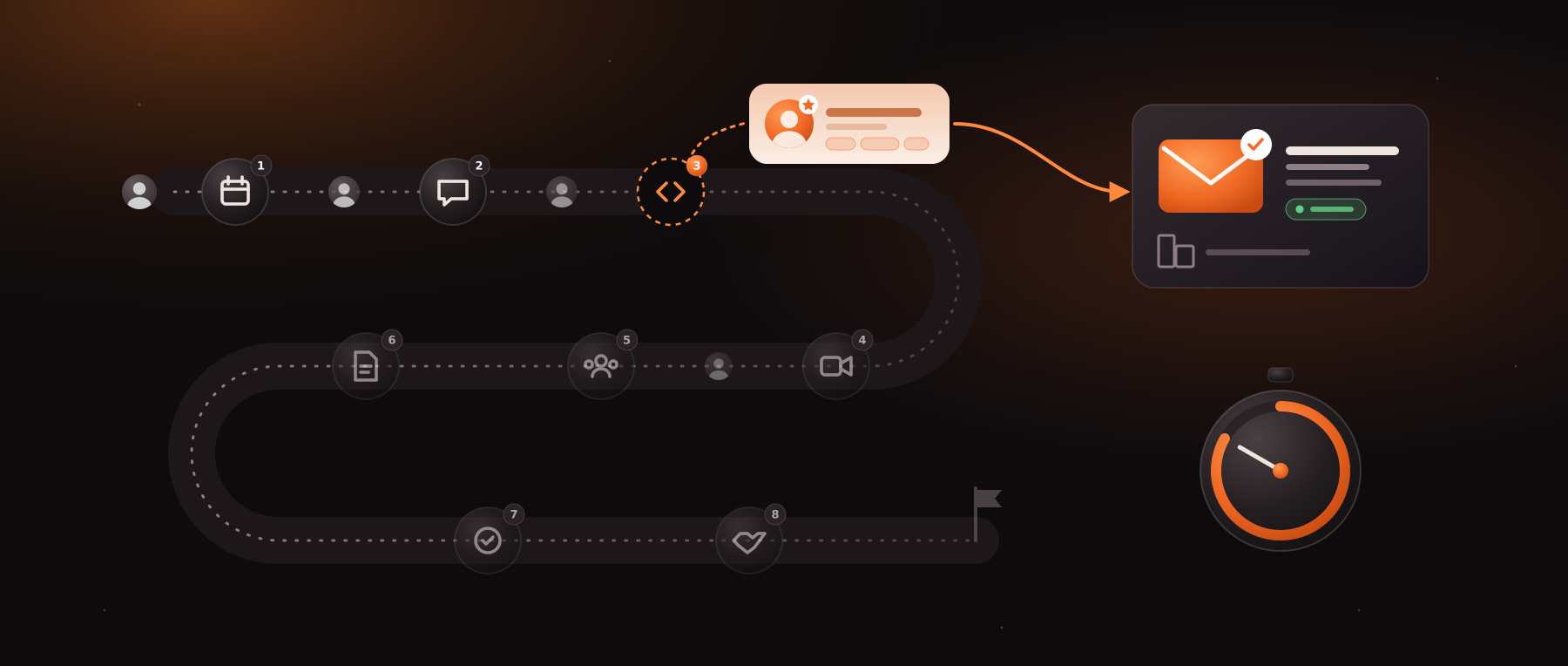
When software companies need more engineering capacity, IT staff augmentation gives them a way to add capability without slowing down the roadmap. Instead of waiting through long local hiring cycles, teams can bring in Dedicated Developers who are aligned to the business, the technology stack, and the delivery process.
With the right model, IT staff augmentation helps companies:
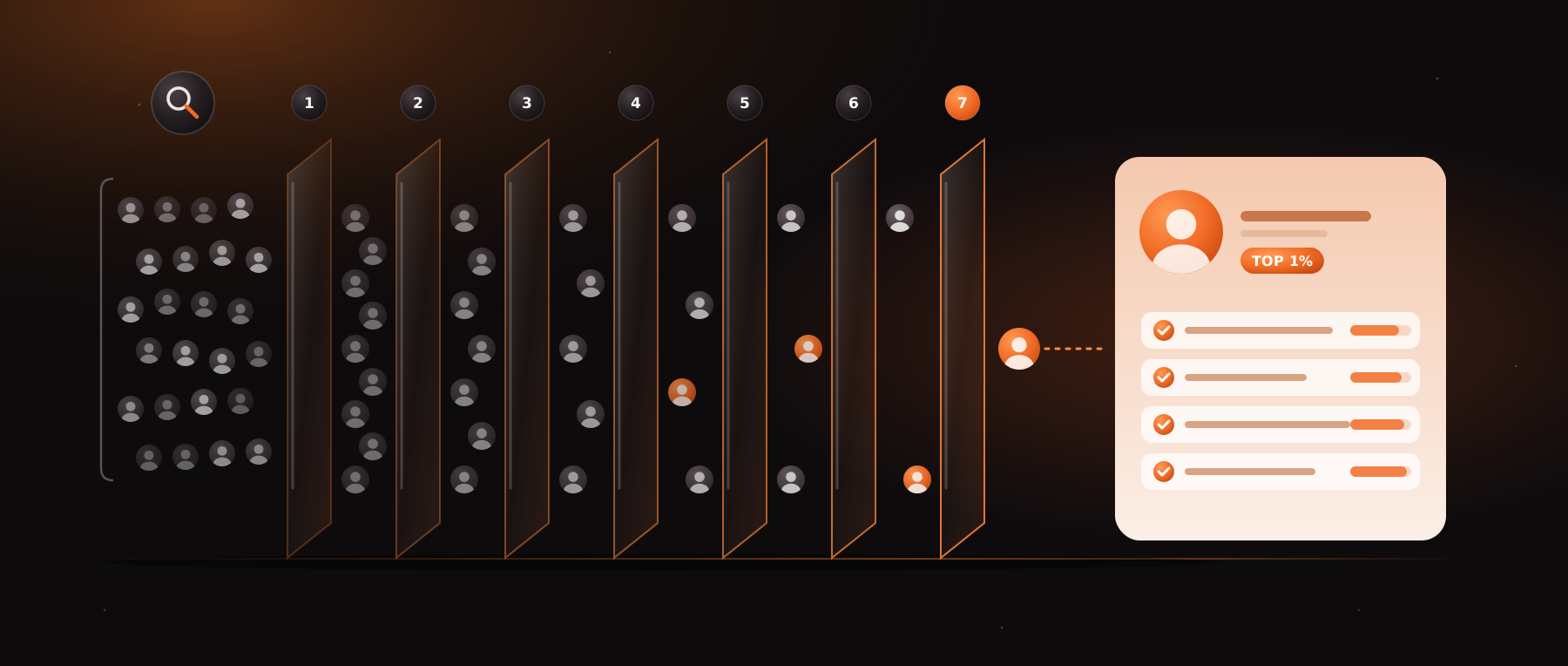
access Top 1% Developers through a structured vetting process add AI Vetted Talent backed by Technical Assessments and human review Hire Within A Week for many roles, depending on specialization benefit from Transparent Pricing and No Hidden Costs use an All-Inclusive Pricing Model that reduces operational burden work with a Dedicated Customer Success Manager for Continuous Support scale through Fully Integrated Services rather than disconnected sourcing alone
For businesses that need speed and reliability at the same time, that combination is what removes friction.
Why IT Staff Augmentation Wins
When a growth-stage software company comes to us, the story is often similar. Their internal team is capable, but product delivery is starting to slow. They need specialist skills, additional bandwidth, or faster hiring, and they need it before roadmap pressure turns into missed opportunities.
This is where IT staff augmentation becomes the practical advantage. Instead of stretching the same in-house team further, companies can add vetted remote engineers who slot into the delivery motion quickly and effectively.
The model works because it solves several problems at once. It improves hiring speed, widens access to specialist skills, reduces internal bandwidth pressure, and keeps the company in control of delivery.
For Smart Working, that means offering access to pre-vetted developers, flexible engagement terms, operational support, and a service model designed for long-term integration rather than one-off placements.
Conclusion
If your in-house team is starting to slow under the weight of more roadmap demand, more systems, and more specialist needs, that does not mean the team is failing. It usually means the business has reached a new stage of scale.
The answer is not always to keep pushing the current structure harder. In many cases, the smarter move is to remove the bottleneck with added engineering capacity that fits your team, your process, and your delivery goals.
That is why more software companies are scaling beyond an in-house-only model in 2026. With the right IT staff augmentation partner, you can add high-quality engineering support faster, keep product work moving, and grow without sacrificing control.
If you are ready to scale delivery with less friction, Smart Working can help you hire Dedicated Developers with Transparent Pricing, Time Zone Aligned Hiring, and Continuous Support. Reach out today to see how quickly the right remote engineering team can start making an impact.