When SaaS companies scale, the first bottleneck is often not product vision. It is engineering capacity. New features, integrations, support demands, and product expansion all require delivery bandwidth, but hiring strong full-stack developers through traditional channels can take too long.
That is why more companies are comparing full-stack developer services in 2026. They want faster access to engineering talent, better delivery continuity, and a more flexible way to scale without putting too much strain on the internal team. If you are evaluating providers, here is what actually matters.
What are full-stack developer services?
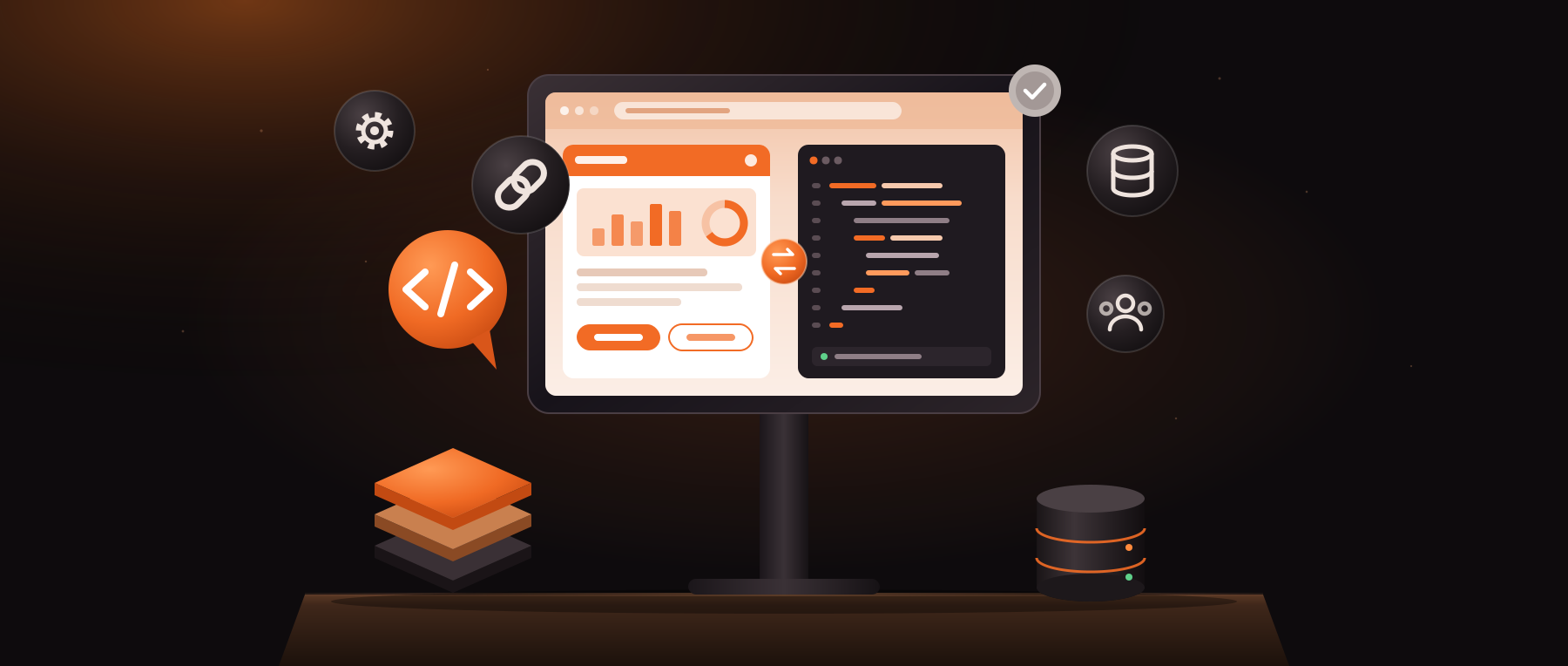
Full-stack developer services give companies access to developers who can work across frontend, backend, APIs, integrations, and broader product delivery. Businesses typically use these services to increase engineering capacity, fill specialist gaps, and move faster when in-house hiring is too slow.
How should SaaS companies compare full stack developer services?
SaaS companies should compare full-stack developer services based on vetting quality, speed to hire, pricing clarity, contract flexibility, operational support, and how well developers integrate into the internal team. The best option is usually the one that reduces delivery friction without reducing control.
What full-stack developer services help SaaS companies solve
For growing SaaS businesses, full-stack developers are useful because they can contribute across multiple parts of the product stack. That flexibility matters when teams need to scale without creating too many handoffs between specialists. The comparison usually starts when one or more of these problems show up: the roadmap is growing faster than the internal team can deliver specialist roles are difficult to fill locally launch timelines are slipping because hiring is too slow engineering leaders need more capacity without adding unnecessary operational burden the business wants to scale product delivery without rebuilding the whole team model At that point, the goal is not simply to hire more people. It is to choose the right delivery model.
How to compare full-stack developer services
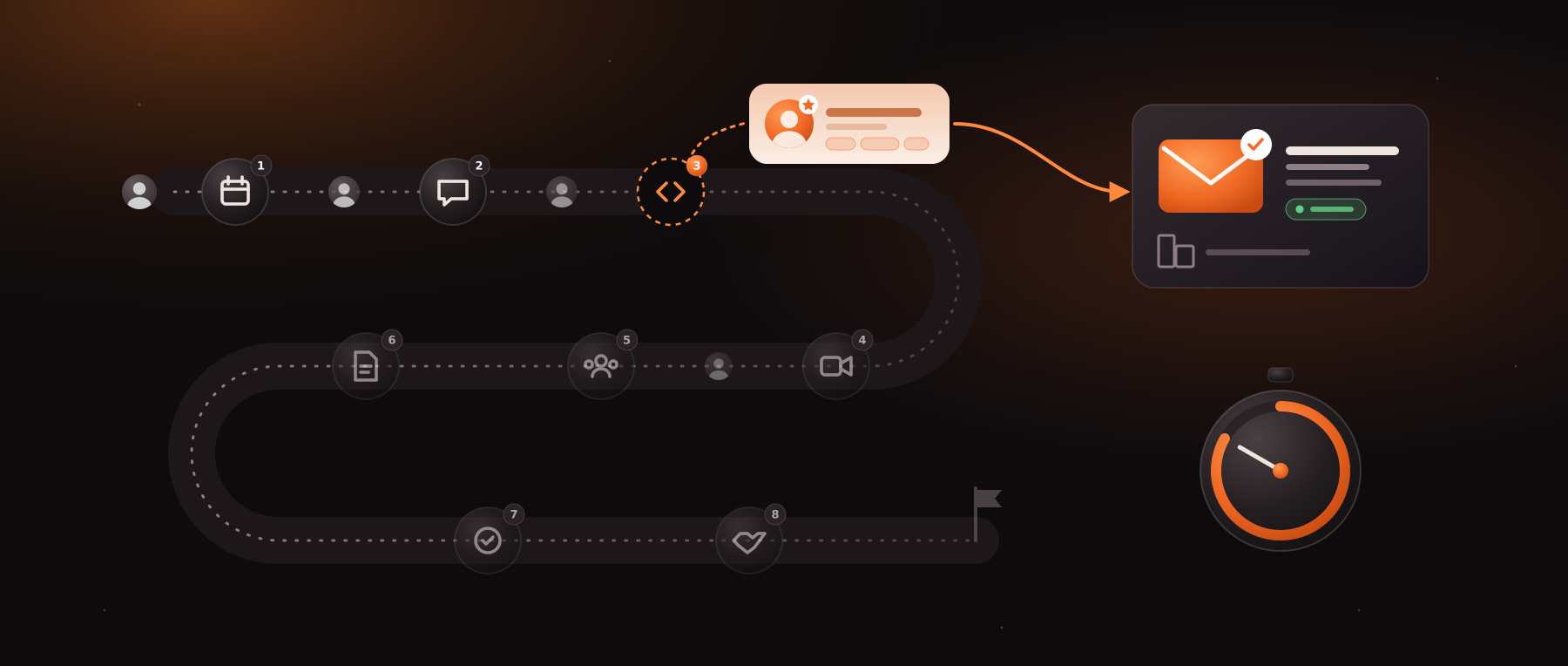
Most comparison pages focus too much on brand familiarity and not enough on delivery fit. In practice, SaaS companies should compare providers using a smaller set of more useful criteria. 1. Vetting quality A provider should have a clear process for Technical Assessments, interviews, and proof of delivery ability. Fast hiring only works when candidate quality is properly validated. 2. Speed to hire Roadmap pressure rarely waits. A provider should be able to help you Hire Within A Week for many roles without turning evaluation into guesswork. 3. Pricing clarity A buyer should know exactly what they are paying for. Transparent Pricing and No Hidden Costs matter because unclear pricing often creates friction after the hire. 4. Contract flexibility Growth plans change. 100% Flexible Contracts and No Minimum Length Of Contract make it easier to scale with less commercial risk. 5. Operational support The value is much higher when the provider supports onboarding, payroll, admin coordination, and Continuous Support rather than only sending profiles. 6. Team integration Remote developers should work as part of the delivery team, not outside it. Process alignment, communication fit, and Time Zone Aligned Hiring all improve long-term outcomes.
What to look for in a remote full-stack developer partner
Not every remote hiring model solves the same problem. Some are better for flexible sourcing, some are better for managed delivery, and some are little more than talent marketplaces. For SaaS companies, the strongest providers usually combine: access to Pre-Vetted Developers fast hiring for specialist and full-stack roles support beyond sourcing alone clear commercial terms a model that keeps the client in control of delivery That is why remote full-stack developer services continue to grow in relevance for CTOs, founders, and engineering leaders.
Why IT staff augmentation fits SaaS growth
IT staff augmentation is often the most practical choice when a company wants more engineering capacity without giving up ownership of the roadmap or product direction. Instead of outsourcing a whole function, companies extend their own team with Dedicated Developers who match their technology stack, delivery priorities, and internal workflows. That makes staff augmentation especially useful when a SaaS team needs to: move faster without redesigning the whole team structure add specialist skills during product growth support launches with less hiring delay stay flexible while internal leadership keeps control The strongest staff augmentation models feel like a real team extension rather than a disconnected vendor relationship.
How Smart Working supports SaaS teams
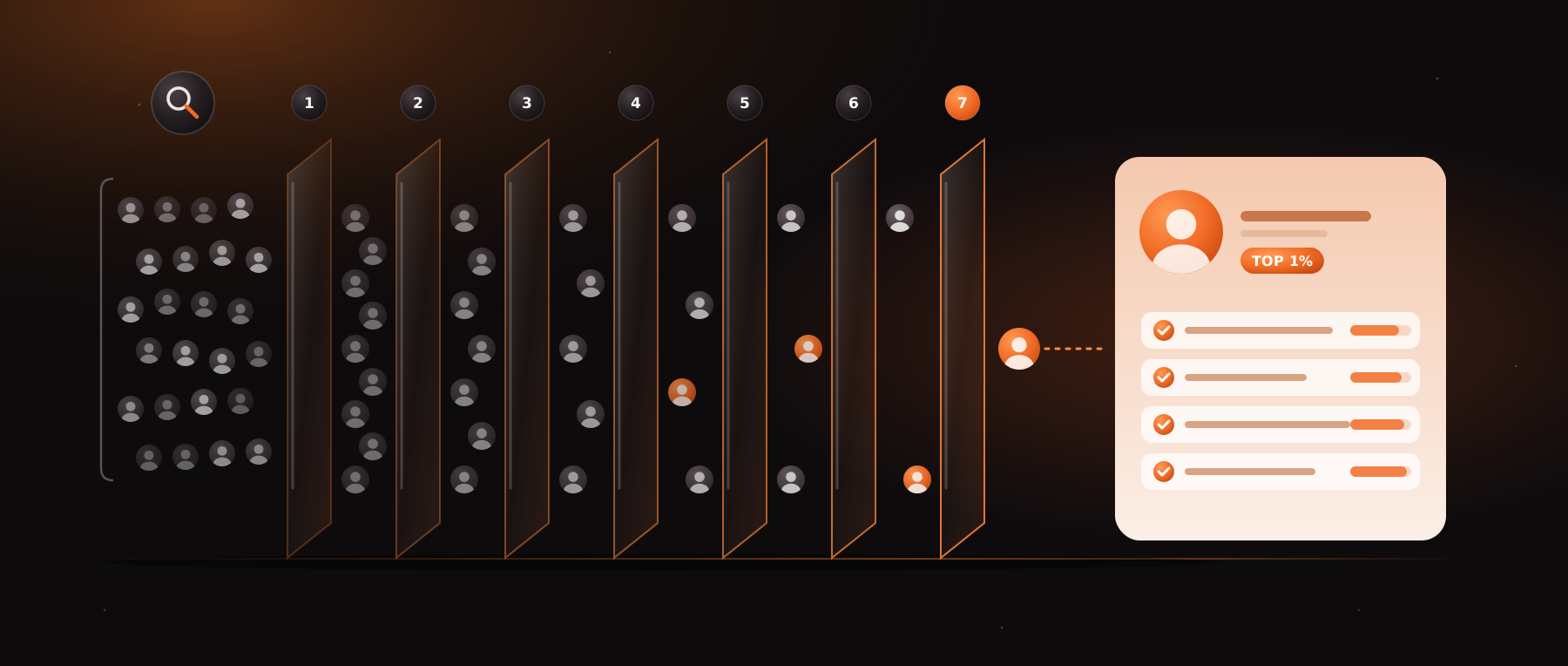
Smart Working is built for companies that need engineering capacity with less friction and more reliability. The model is designed to help teams: access Top 1% Developers through a structured vetting process work with AI Vetted Talent supported by Technical Assessments and human review Hire Within A Week for many roles, depending on specialization benefit from Transparent Pricing and No Hidden Costs use an All-Inclusive Pricing Model that reduces operational overhead work with a Dedicated Customer Success Manager for Continuous Support scale through Fully Integrated Services rather than disconnected recruiting support For SaaS companies balancing delivery speed, quality, and cost control, that combination is what makes the model practical.
What is the best way to compare full-stack developer services?
The best way to compare full-stack developer services is to evaluate vetting quality, speed to hire, pricing clarity, contract flexibility, operational support, and team integration. The right provider should improve delivery speed without reducing quality or control.
Why do SaaS companies use remote full-stack developers?
SaaS companies use remote full-stack developers to increase engineering capacity, fill specialist skill gaps, and move faster when local hiring is too slow or too expensive for current roadmap demand.
Is IT staff augmentation better than traditional outsourcing for SaaS teams?
IT staff augmentation is often better for SaaS teams that want added delivery capacity while keeping internal control over the roadmap, product decisions, and engineering process. It works especially well when the goal is team extension rather than full project handoff.
Conclusion
The best full-stack developer service is not the one with the biggest name. It is the one that fits how your SaaS business actually scales. If you need faster hiring, better access to specialist skills, clearer pricing, and a lower risk way to add engineering capacity, the right remote model can make a measurable difference. That is why more SaaS companies are comparing full-stack developer services in 2026 with a sharper focus on vetting quality, speed, flexibility, and support. If you are looking for a practical way to scale product delivery, Smart Working can help you hire Dedicated Developers with Transparent Pricing, Time Zone Aligned Hiring, and Continuous Support. Reach out today to explore the right setup for your team.